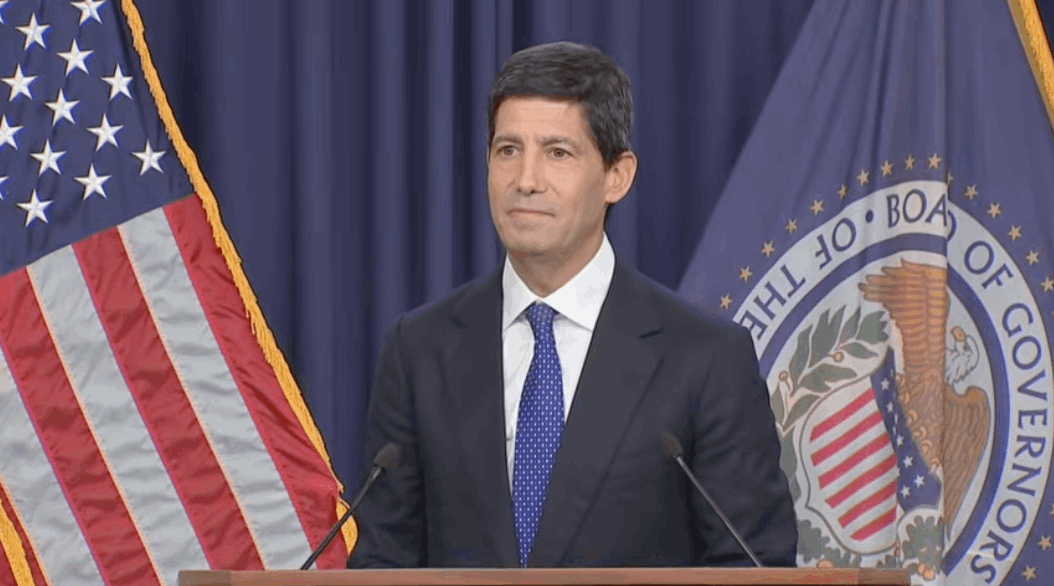
“Data Points are Noisy, But Trends Matter.” – Federal Reserve Chair Kevin Warsh
Unwavering Commitment to Price Stability
Warsh cited three core factors influencing the Fed’s decision to tighten policy:
- Economic Strength: Notable resilience across the labor and bond markets since mid-summer.
- Inflation Trends: Persistent price pressures driven by heavy competition for capital and sustained capacity constraints.
- Geopolitical Factors: Diverging spot pricing and emerging structural cracks across global commodity markets.
When asked whether market expectations or foreign central bank policy shifts influenced the action, Warsh asserted that the Federal Reserve remains strictly independent, emphasizing that the central bank must "stay in its lane." He noted, however, that monetary tightening abroad naturally yields disinflationary spillovers that help alleviate global pricing pressures.
Mortgage Rates and Industry Perspective
Borrowing costs had already factored in the rate increase well in advance of the announcement. In an instant reaction statement, National Association of Realtors (NAR) Chief Economist Dr. Lawrence Yun pointed out that average mortgage rates had climbed from 6% in late February to 7% ahead of the Fed's decision. Yun explained that the hike was pre-emptively absorbed by financial markets due to persistent inflation concerns, oil price shocks, and mounting federal deficits crowding out private lending capital. While higher borrowing costs make 7% mortgage rates the likely "new normal" in the near term, Yun highlighted that "job additions will be the one factor that can support homebuying," underscoring that steady employment and wage income remain the housing market's most critical lifeline against elevated financing costs.
Warsh declined to speculate on the macroeconomic impact of artificial intelligence, stating the Fed will rely on a dedicated task force to study the technology's balance of risks and productivity gains. He also declined to address specific tariff proposals or comment on how the rate increase might affect his relationship with the White House, reiterating that the central bank acts exclusively on mandate-driven objectives.
On the outlook for additional rate hikes, Warsh refused to commit to a preset path. He stated that the committee remains anchored to policy discipline rather than predetermined decisions, and that future moves will depend strictly on emerging economic conditions. Closing on the labor market, Warsh rejected the notion that quelling inflation requires deliberate job destruction, underscoring that paycheck earners without financial assets stand to benefit most from restored price stability.
Categories
- All Blogs (18)
- 2025 Spring Market (1)
- Curb Appeal (1)
- Fall Market (1)
- First-Time Homebuyers (1)
- Home Staging (1)
- Homebuyers (6)
- Homesellers (4)
- Hot Buys (1)
- Housing Market (7)
- Housing Report (1)
- Interior Design (2)
- Luxury Homes (1)
- Mortgage Rates (6)
- Staging (1)
- Using Retirement Funds to Buy a Home (1)
Recent Posts